
ISO 45001:2018
Occupational health and safety management systems — Requirements with guidance for use
The global standard for occupational health and safety management. ISO 45001:2018 helps organisations eliminate workplace hazards, reduce OHS risks, and protect the wellbeing of workers and others under your control.
Why Certify
Benefits of ISO 45001:2018 Certification
ISO 45001:2018 goes beyond compliance — it builds a culture of safety that protects people and strengthens your business.
Reduce Workplace Incidents
Proactively identify hazards and risks, implement controls, and prevent accidents before they occur.
Protect Your Workforce
Demonstrate genuine commitment to worker health, safety, and wellbeing — improving morale and retention.
Regulatory Compliance
Align your OHS practices with UAE OHS legislation and international best practice standards.
Lower Insurance Costs
A strong safety record supported by ISO 45001:2018 certification can reduce workers compensation and liability premiums.
Win Safety-Critical Contracts
ISO 45001:2018 is required by many principal contractors, government agencies, and corporate clients as a procurement condition.
Boost Operational Efficiency
Fewer incidents mean less downtime, reduced costs, and a more productive, engaged workforce.
What It Covers
Key Requirements of ISO 45001:2018
ISO 45001:2018 adopts the High Level Structure (HLS) used across ISO management system standards, making integration with ISO 9001:2015 and ISO 14001:2026 straightforward.
Industries
Who Needs ISO 45001:2018?
ISO 45001:2018 is essential for organisations where worker safety is a priority. It's particularly critical in high-risk sectors including:
Simple & Clear
Our ISO 45001:2018 Certification Process
A structured, transparent process — designed to achieve certification without disrupting your operations.
Application & Scoping
We assess your workplace, hazard profile, and operations to define scope and audit requirements.
Certification Agreement
A formal agreement is issued covering scope, audit days, and certification conditions.
Stage 1 Audit
Documentation review to assess your OHSMS readiness and identify gaps before the main audit.
Stage 1 Report
Findings and corrective guidance shared prior to Stage 2.
Stage 2 Audit
On-site audit verifying your OHSMS is effectively implemented across all relevant operations.
Certificate Issued
Your ISO 45001:2018 certificate is issued — valid for 3 years with annual surveillance audits.
Detailed Guide
Everything You Need to Know
Ever wondered how top-performing companies across Dubai and Abu Dhabi maintain accident-free environments and happy, engaged employees? The answer often lies in a well-structured safety system designed to protect people and processes. In the UAE's fast-paced industries—whether it's construction, logistics, or hospitality—creating a safe and healthy work environment isn’t optional; it’s a strategic necessity. That’s where ISO 45001 comes in.
What Does ISO 45001 Offer?
This international benchmark sets out the requirements for managing workplace health and safety. Instead of reacting to incidents, it encourages a proactive approach—anticipating risks, engaging teams, and continuously improving safety performance. Released in 2018, this standard replaced OHSAS 18001 and introduced a modern, risk-based structure.
Why Safety Matters in the UAE
Picture a skyscraper going up in Downtown Dubai or an offshore operation in Abu Dhabi. These environments carry significant risks—and effective safety systems are essential. In recent years, the UAE’s Ministry of Human Resources and Emiratization (MOHRE) has highlighted the importance of workplace safety through strict regulations and inspections. Adopting a formal health and safety framework shows your business is aligned with the nation’s drive for safer, more resilient workplaces.
Why Forward-Thinking Businesses Choose ISO 45001
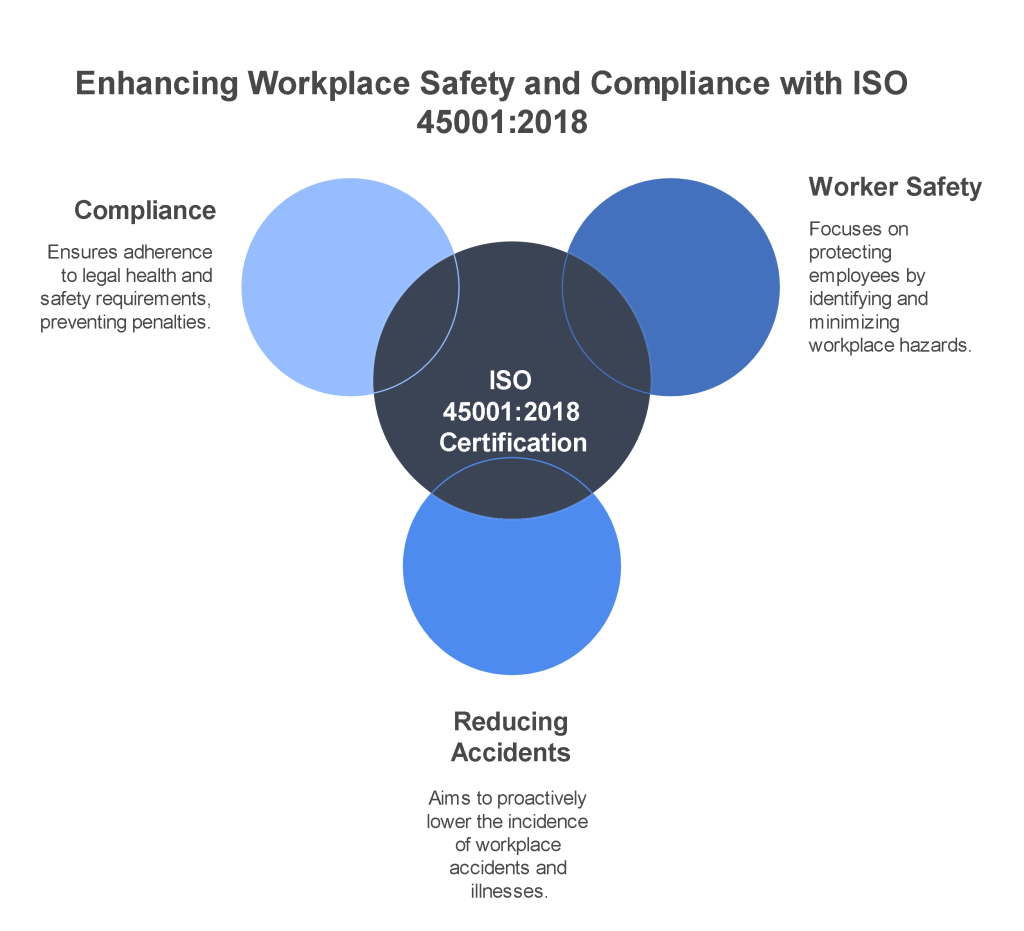
Protecting Your People
The system helps identify and control potential hazards before they lead to harm. This safeguards employees and improves morale across the board.
Fewer Incidents and Disruptions
With clear protocols and ongoing monitoring, the likelihood of workplace accidents and illnesses is significantly reduced.
Legal Assurance
It ensures you're aligned with UAE occupational safety regulations—reducing risk of penalties or reputational damage.
The Practical Benefits of Certification
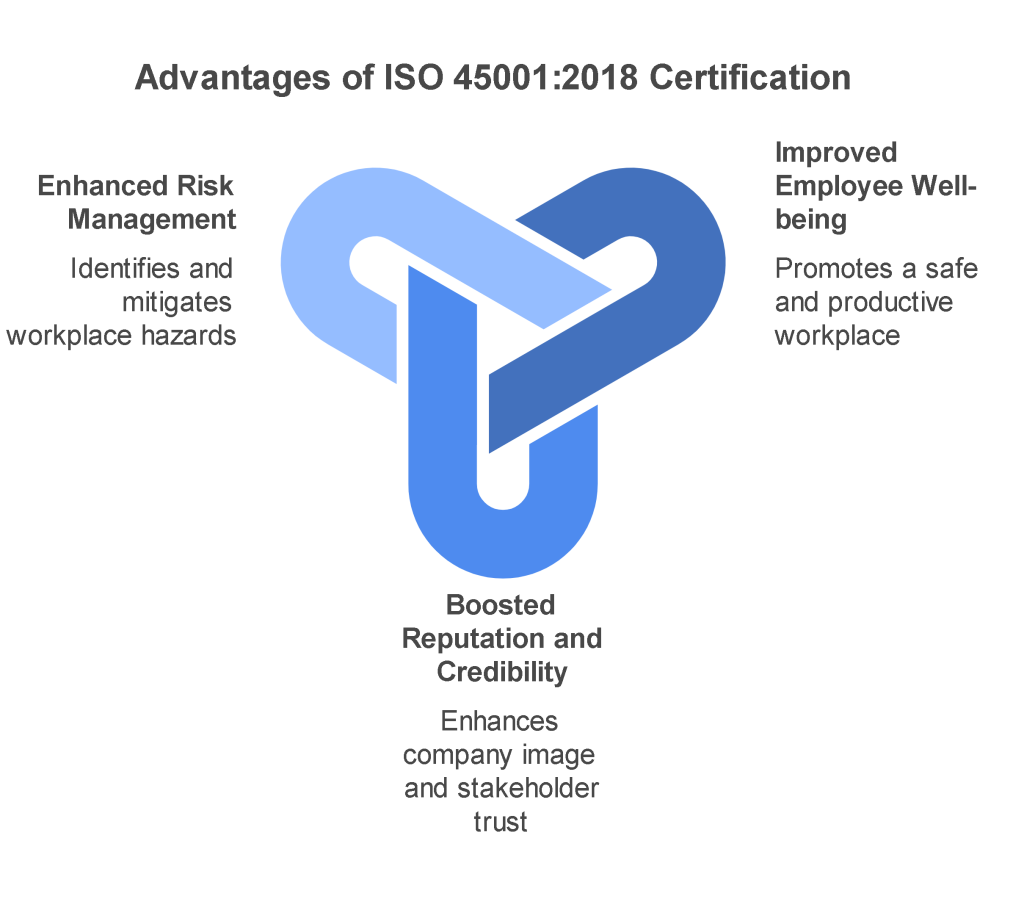
Employee Well-being First
A safer workplace means less absenteeism and greater job satisfaction.
Boosted Business Credibility
Clients, partners, and regulators view certified organizations as trustworthy and responsible.
Smarter Risk Control
Early hazard identification and continuous review improve decision-making and reduce operational interruptions.
Key Elements of the Management System
Understanding Your Organization's Context
Tailor your safety system to your specific industry, risk level, and regulatory environment.
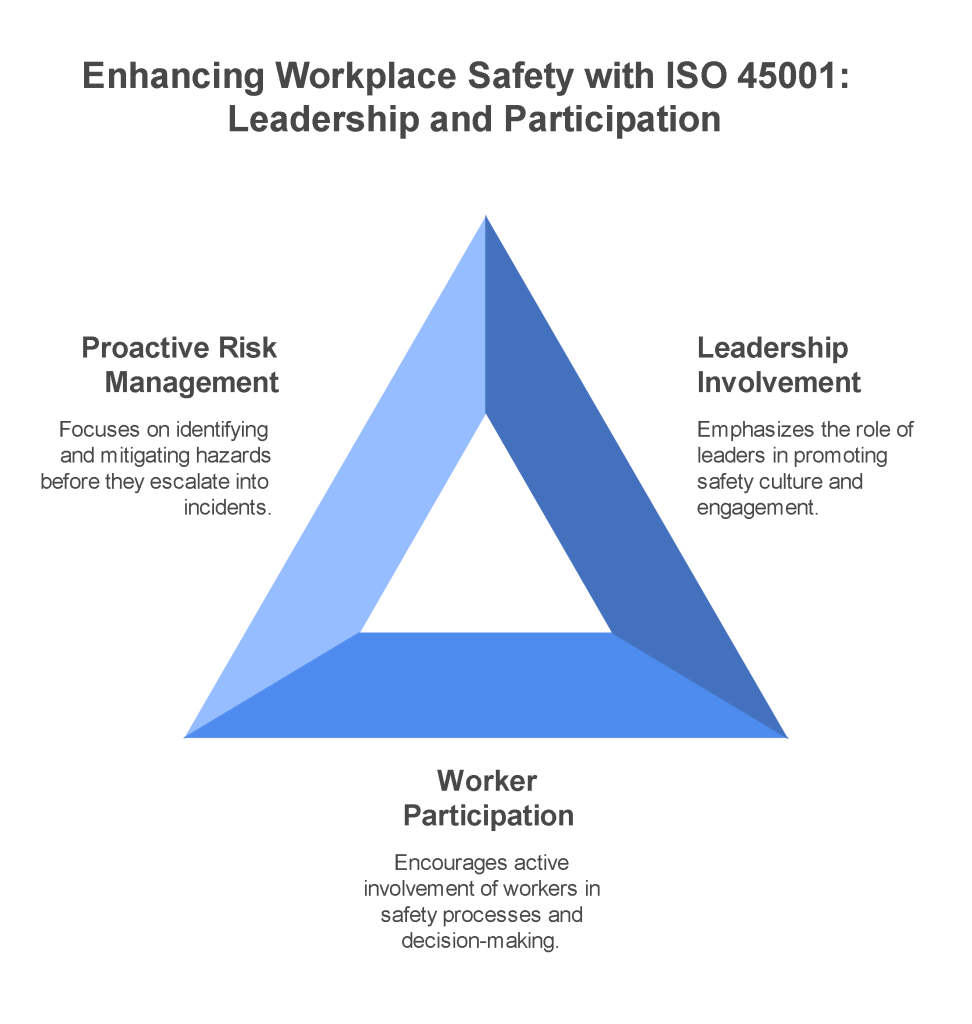
Leadership Engagement
Top management plays an active role in shaping a safe workplace culture.
Participation from Everyone
Involving your team in reporting hazards and improving processes makes safety a shared responsibility.
Ongoing Risk Review
The system includes mechanisms for tracking performance and adjusting controls as needed.
The ISO Certification process is as follows:
• Step 1
• Agreement
• Step 2
• Audit plan
• Step 3
• Certification audit (stage 1 and stage 2 audits)
• Audit report
• Step 4
• Certification decision
• Invoicing and draft certificate
- Step 5
• Final certificate
Challenges Some Businesses Face
Internal Resistance
Change takes time. Clear communication and leadership support are key.
Resource Requirements
Implementing a strong system requires time, effort, and budget—but the long-term value is clear.
Regulatory Complexity
Organizations operating in multiple jurisdictions must balance local rules with global standards.
Transition from OHSAS 18001
The new standard places stronger emphasis on employee engagement and leadership. It's more than just a policy—it’s about embedding safety into every process.
Improved Approach to Risk Management
ISO 45001 enhances risk management by introducing a proactive approach that identifies potential hazards before they become incidents.
Future Trends in Occupational Health and Safety
Integration of New Technologies
Advancements in technology, such as AI and IoT, are shaping the future of occupational health and safety. These tools enable businesses to monitor workplace conditions in real-time, providing new opportunities for risk management.
Evolving Workplace Health and Safety Standards
As workplaces evolve, so too do health and safety standards. ISO 45001 provides a flexible framework that can adapt to emerging risks and new regulations.
What Affects Certification Costs in the UAE?
Type of Standard
Basic systems are more affordable than integrated.
Size and Scope
Larger teams and multiple sites require more audit time.
Risk Complexity
High-risk industries like oil & gas may require deeper analysis.
Current Readiness
Businesses starting from scratch may need additional support with documentation and training.
Complexity of Processes
Heavily regulated industries (like healthcare or IT security) will need deeper audits and specialized auditors.
ISO 45001 Health and Safety Certification Steps
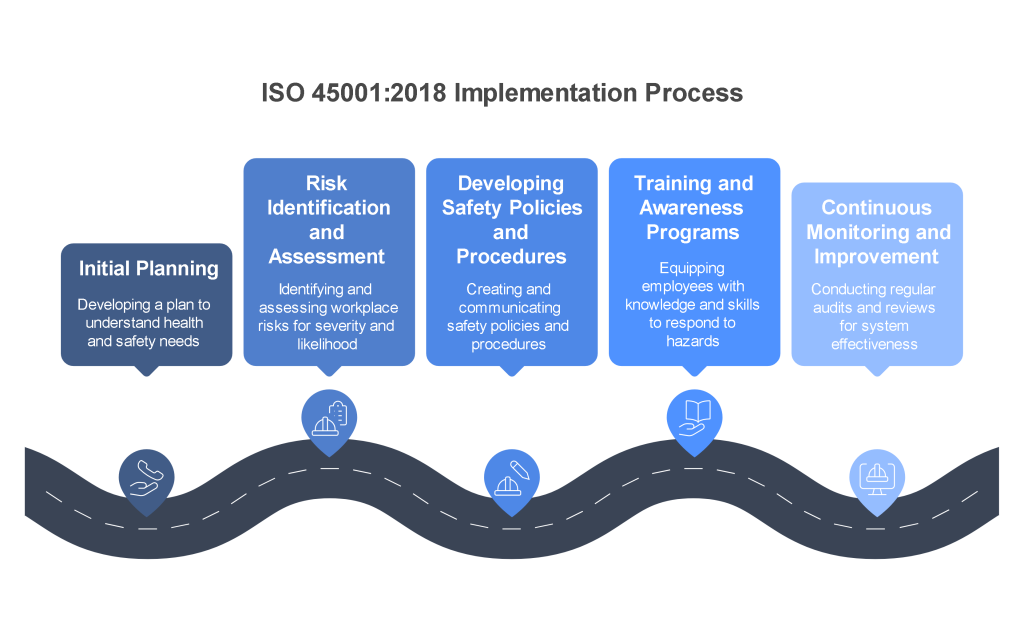
Achieving ISO 45001 certification in the UAE involves a series of clear steps, starting with understanding your legal and workplace safety obligations. Organizations must identify occupational health and safety risks, implement necessary control measures, engage workers in safety initiatives, and establish documented processes for monitoring, incident response, and performance review. These steps help build a safe working environment and demonstrate compliance with UAE labor and safety laws. The certification is often a prerequisite for working with large contractors or public-sector entities in Dubai and beyond.
Conclusion
If you’re starting from scratch, you'll likely need consulting, training, and documentation — all of which cost money.
ISO 45001 provides a flexible, powerful way to improve workplace safety and align with UAE regulations. Beyond reducing risks, it enhances business reputation, employee engagement, and operational efficiency.
At Universal Certification and Services (UCS), we’re here to help you to certify your safety management system to the highest standard. From documentation to final audit, we make the process simple and effective.
📞 Ready to build a safer, stronger workplace?
👉 Contact UCS now for expert guidance on ISO 45001 certification.
📘 Learn more about the official standard at the ISO website
FAQ
1. What is the difference between ISO 45001 and OHSAS 18001?
- ISO 45001 offers a more comprehensive and proactive approach to managing occupational health and safety, emphasizing leadership, worker participation, and continuous improvement.
2. How long does it take to get ISO 45001 certified?
The process typically takes 3 to 15 days, depending on the organization’s size and readiness.
3. Is ISO 45001 mandatory for all businesses?
- While ISO 45001 is not mandatory for all businesses, it is highly beneficial, especially for organizations with a focus on workplace safety.
4. How can ISO 45001 improve employee safety?
- ISO 45001 reduces workplace risks, ensures better safety practices, and fosters a culture of health and safety that benefits employees.
Ready to Get ISO 45001:2018 Certification?
Contact our team today for a free assessment and tailored quote. Most eligible businesses can achieve certification within 7–10 days.